by Sherri Sylvester | Mar 11, 2016

Welcome to the second installment of this week’s Sewing Diaries! Yesterday we talked about: 1) Unboxing the Machine, 2) Preparing to take care of it and 3) Learning what it can do.
Now we are ready to sew! Today we talk about getting the machine ready, two projects I chose to sew first, (and why!) plus a bonus tip and tutorial for them. (BTW, isn’t the Sewing Diaries logo amazing? It was made by fellow Janome Artisan and amazing graphic artist Cynthia Frenette for this project – #loveit! )
Meet Your New Machine – Step 4: Get Ready to Sew!
It is important to learn how to get a bobbin wound, thread the machine, and insert the bobbin correctly.
Again, this information is in your manual, or on your included instructional DVD. (Yay S7!) All of my Janome machines have had a similar thread path, but each has been a little different. I like to make sure I’m doing it correctly the first time because it’s harder to change once you’ve memorized it incorrectly! A tip when threading the machine: It is important to use a spool holder to hold your thread on the spool pin. Make sure it is the correct size, the S7 comes with large and small size thread caps. (For reference, I’ve used the small cap in the photo below.)
When filling the bobbin, note the correct winding direction for the thread in your manual. When filling it, most machines will stop once the bobbin is full, then you can cut the threads. The S7 includes 5 small cutters under the bobbin area for right before you wind it, and one for cutting the main thread once you are done. #noscissorsnecessary
When threading your machine, follow the path and be sure to pull the threads as indicated in your manual to ensure the tension discs are engaged. Don’t skip threading through that tiny hook right above your needle! Use a needle threader to thread the needle, or the automatic threader if your machine has one. I made an Instagram video of the advanced needle threader on the S7. It is truly amazing!
The bobbin should be inserted as per the manual again. Noting that it is especially important to insert it so it spins the way your machine wants it to. My Janome machines have needed the bobbin to spin counter-clockwise.
Meet Your New Machine – Step 5: Sew a Simple Project (or two!)
Alright, we are ready to sew now. I think the best way to start out is to make a simple first project without any closures, leave the buttonholes and zipper feet for The Sewing Diaries – Week 2. I decided to make two of my all-time most popular tutorials, The fat-quarter friendly Sunny Glasses Case and the Pretty Floral Divided Tote.
Both of these are really quick and satisfying projects. Good for confident beginners and advanced sewers alike. They allow you to use your new machine to make something useful and fun, while not having to reach for your manual with each step. (P.S. I changed a few things from both original tutorials, so I’m sharing a tip and a mini tutorial for them at the end of this post.)
I broke out my hoarded Mochi Dot linen for these, and some Paris fabric my mom gave me years ago. It’s so gorgeous I’ve been saving it for the perfect project (and I’ve got some left still, yay!) You can never go wrong with linen, canvas and polka dots!
Meet Your New Machine – Step 6: Plan to test your machine
One great way to test your machine is to tackle your mending pile. There is usually a varied selection of fabrics, lots of knits and wovens of different weights to work with. It even provides different situations such as mending a pant leg by using the free arm or fixing a ripped tee with an overcasting stitch.
The second way to test your machine is to plan several specific projects that use different features of your sewing machine. This is the way I am going to write the Sewing Diaries, since I’m sure you are not interested in seeing my mending pile. (I’m pretty sure I don’t want you to see it either!)
How to Choose Your First Projects
- Incorporate fabric types that you tend to already sew. Save the uncommon ones for another time, unless you bought your machine specifically to use it for an uncommon fabric you want to learn to sew.
- Incorporate feet that you will use all the time. Buttonhole, Zipper foot, Blind or Rolled Hem foot – sew a woven dress. 1/4″ Foot, free motion quilting feet – make a quilt. AcuFeed Flex, Overedge foot, zigzag foot – choose a simple knit top.
- Find projects that are simple or ones you’ve sewn before. Learning a new machine might be frustrating because you are not familiar with where everything is or how it works yet. Choosing a complex project will just add to your frustration and it would be so sad if you quit!
This process resulted in me writing the The Sewing Diaries Overview you found at the beginning of yesterday’s post. But, no matter what projects you choose, make sure your manual is on hand to help as you go along – you may need to know how to use a certain stitch, install the knee lift, or change the default height of presser foot for pivoting (Yup, the Skyline S7 can do that!).
I found out how to use one of my favorite features when I was checking the manual for something else, a tiny black button on the back of the S7 zigzag foot. If you push it in while lowering the presser foot it will lock the foot in a horizontal position. Meaning, if the front of the foot is elevated on some thick fabric, the back of the foot will stay elevated until you are past the beginning of the seam ! It helps your seam to begin smoothly when sewing thick or layered fabrics like the french seam on my Sunny Glasses Case.
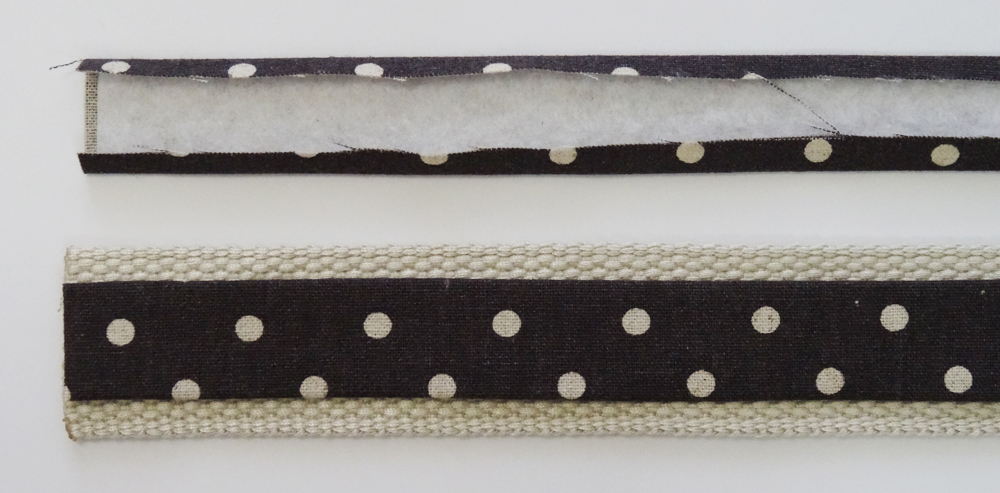
The Pretty Floral Divided Tote is made with just 1 yard each of outer and lining fabric. I had just a bit less than that, so I slightly shortened the pattern piece and also omitted using the lining fabric on the Straps. Instead I used 1 1/2″ webbing and sewed strips of outer fabric over the front to add detail. Here is a mini tutorial on how to make some yourself.
- Cut 2 OUTER Straps: 1 1/2″ x 21″, Cut 2 from Fusible Fleece: 7/8″ wide by 21″, Cut 2 pieces of 1 1/2″ webbing 21″ long.
- Fuse the Fleece to the wrong side of the Outer Straps, directly in the centre of each piece.
- Fold the Outer Strap fabric over the fusible fleece on both sides. Use the edge of the fleece as a guide.
- Glue Baste the Outer fabric to the centre of each length of webbing.
- Top-stitch the Outer Fabric on both sides about 1/8″ away from the edge to finish the strap.
Each time I make a Sunny Glasses Case I find a new and improved way of sewing it. I have been collecting tips for at least a year now and plan to post them sometime soon! For now, however, one thing that makes a big difference to the final product is a very simple step. Instead of only using Fusible Fleece on the Outer fabric, cut a second layer and fuse it to the wrong side of the Lining as well. The extra padding makes the case sturdier. It holds it’s shape better and looks more professional.
Thanks for checking out the first installment of the Sewing Diaries. I can’t wait to tackle learning about closures this coming week! They open up a whole new area of your sewing. Remember you can come #alongforthreadride anytime to see sneak peeks and project photos!
by Sherri Sylvester | Mar 7, 2016
Last fall my husband and I went away on a week-long vacation. We’d been planning for forever because it was for our 10th wedding anniversary. As I was packing, last minute of course, I realized it might be nice to have a large beach bag to use while we were there. Quite a few of the bags I’ve made so far would do nicely – but of course I needed to make something new! #sewallthebags
Enter the book Handmade Style from my favorite bag blogger, Noodlehead. I treated myself to a copy last year and it’s gorgeous. So many great project, clear illustrations and pattern pieces. Anna’s bags are simple, and perfect for showcasing your favorite fabrics. I’ve made so many of her projects I can’t list them all, but I think my favorite is my first Cargo Duffle.
Of course it was last-minute (as usual) and I auditioned fabrics from my stash. Heading to the fabric store afterwards to buy vinyl and a metal zipper. The fabric came from Warp and Weft a few years ago. I had grand plans of turning it into a quilt, but the bright colours looked perfect for the beach! The prints makes me think of elaborate tiles, which lead to piecing them as simple patchwork with some straight line quilting. I maybe should have quilted it 1/4″ on either side of the seams to add to the tile look. What do you think?
I added a fancy turn-closure to one of the open outside pockets, so it was a bit more secure to use on the plane. It’s a little nerve-wracking to cut a hole in the side of a finished piece. Yikes! #holdyourbreath Thankfully it came out straight. In fact, I’m pretty happy with the whole bag! Only thing I don’t like is the zipper tape width. The handles are added in directly beside the tape at the top of the bag, which makes for very little room and sometimes the zipper catches on the handles. Next time I would use a wider zipper, or add some width with fabric before sewing it in.
As far as the instructions, they were great too. And the bag is a good size. Over-sized for sure, but not too big to carry. Great for holding road-trip snacks or even to use as an overnight bag for the kids. It’s so big that I really didn’t need that much room for our plane trip, with just my husband and I. Of course, it would be a different story if the kids had come with us. Maybe I would have needed two of them!
In the end, I didn’t use it on the beach. The bag turned out fancier than I imagined, kind of by accident. The vinyl, fussy closure and pieced quilted body really dressed it up. Who would want to get that sandy? No problem – I filled in the gap with a souvenir bag from the gift shop – because I also needed to remember where we went, right?!
Have you made anything from the Handmade Style book?
by Sherri Sylvester | Feb 22, 2016
Wow, it’s almost March already and here I am posting a Christmas present from last year. It’s been photographed and patiently waiting since December! Every year I try to make a gift for the girls and their cousins. Thankfully there are (so far) only 4 of them – so it’s not that time consuming. Especially with this particular project. It take just over an hour to make one of these blankets!
Remember this 10 Minute Facecloth tutorial? These blankets use exactly the same method of construction – just in a much larger size! The great thing about these blankets is that they are simple and easy to make with any size starting fabric, as long as the backing fabric is wider and longer than the main fabric by the same amount on each side.
I used 1 yard of licensed fabric, about 36″ x 44″ and 1 1/2 yards of minky, about 54″ x 60″, for each blanket. (My Little Pony and Ninja Turtles from Funky Monkey Fabrics, Cinderella and Star Wars from The Fabric Society.) This will make a good sized kid’s throw blanket, or adult lap blanket at around 43″ x 50″.
Here are some simple instructions for how I made these:
- Pre-wash both fabrics.
- Trim the licensed fabric so each corner is square – roughly 34-35″ high x 43-44″ wide.
- Cut the minky so it was about 15″ wider and longer than the fabric – roughly 49″ high x 58″ wide. This could be any size, as long as the minky is larger than the fabric by the same amount width and length.
- Use the same instructions as the 10 Minute Facecloth, only sew using a 1/2″ seam instead of a 1/4″ seam.
I was holding my breath when the kids unwrapped them, and thankfully they liked them! I was delighted that the girls and their cousins took them to bed that night and all over the house for the next few days. Just goes to show how some well-placed licensed fabrics can get you “in” with the cool kids!
by Sherri Sylvester | Jan 27, 2016
I am so, so happy to be a guest on Indiesew again today. This time as part of Coat Month! This post allowed me to move the Marmalade Jacket straight to the top of my to-do list. Plus I got to work with some amazing stretch faux leather, a new-to-me fabric I’ve been wanting to try.
Find out more on the Indiesew blog! (+ why I should not have chosen this as my first coat in faux leather!)
To say I am pleased with how this coat turned out is a big understatement. I’m deliriously pleased with how “un-handmade” this jacket looks. Every time I see it hanging in my closet I smile crazily to myself. That’s not weird, right?!
Have you made a coat or worked with faux leather before? What are your best tips? We’re listening!
(P.S. Don’t forget – only one more day to sign up for the Fabric Please Giveaway! Enter for your chance to win until midnigh January 28, 2016)
by Sherri Sylvester | Jan 15, 2016
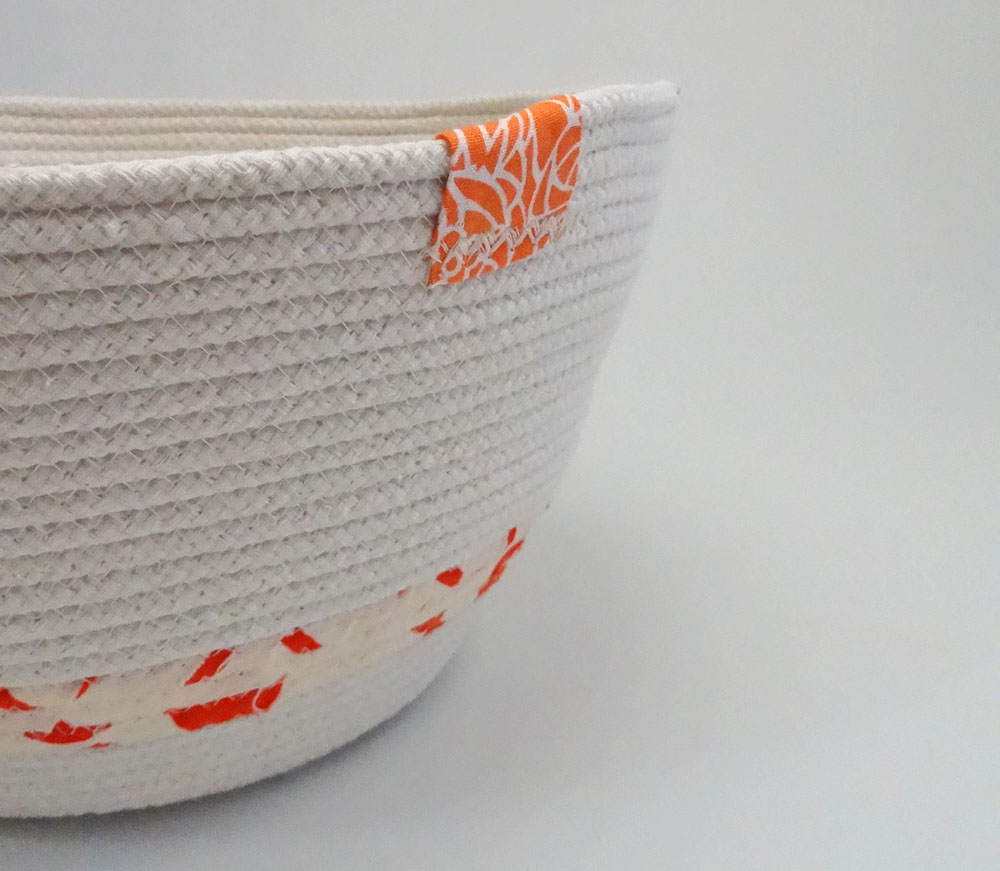
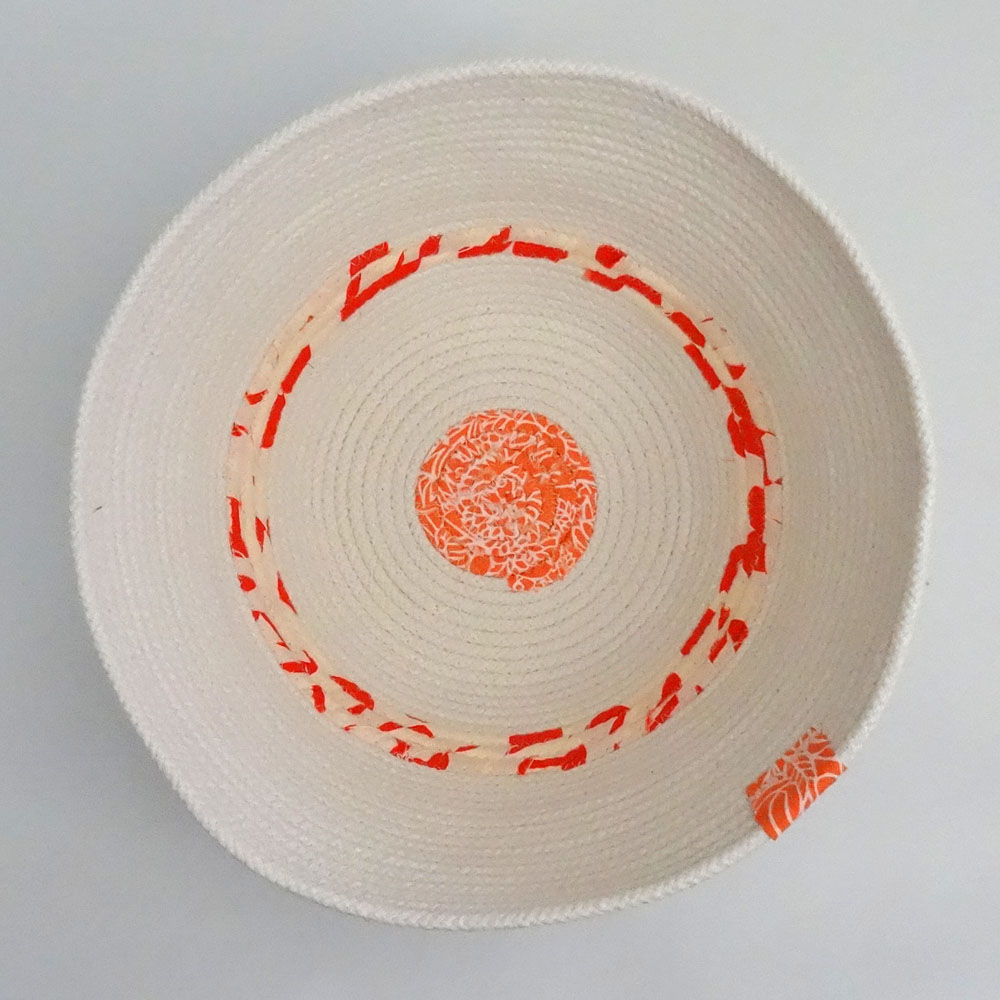
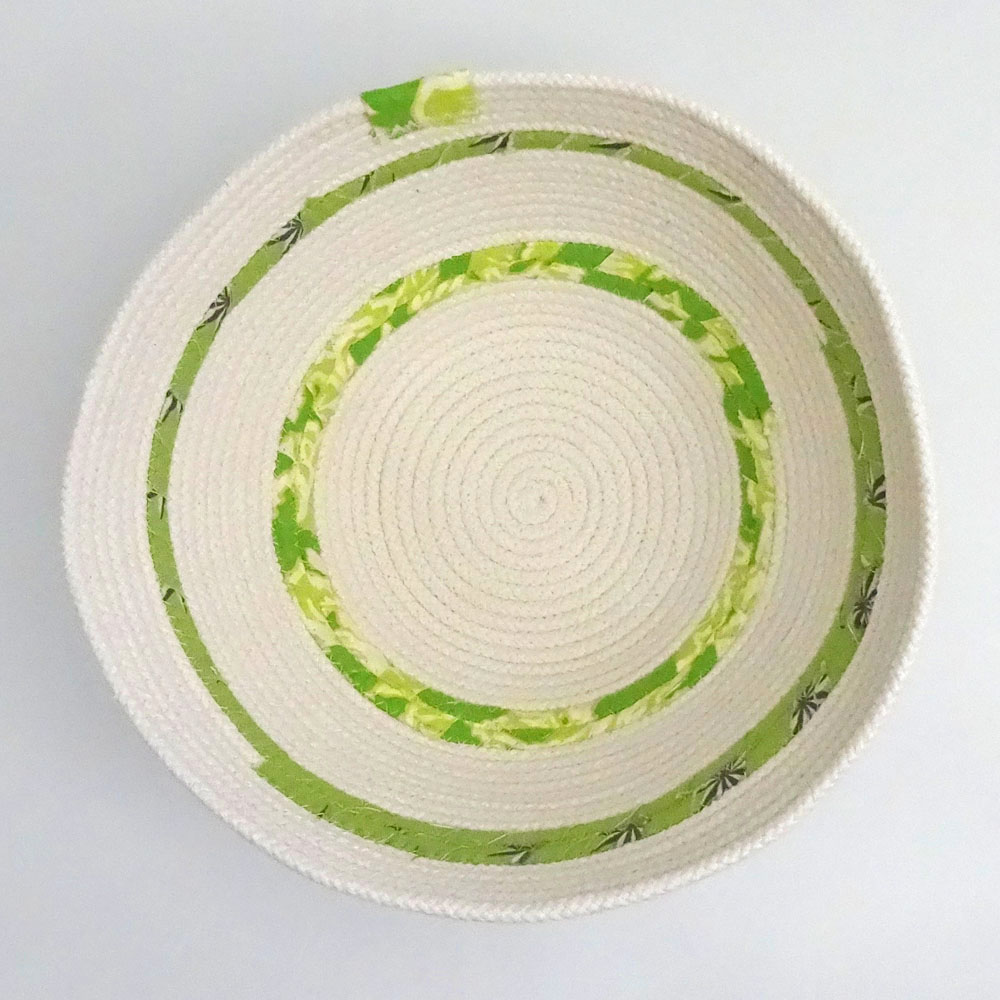
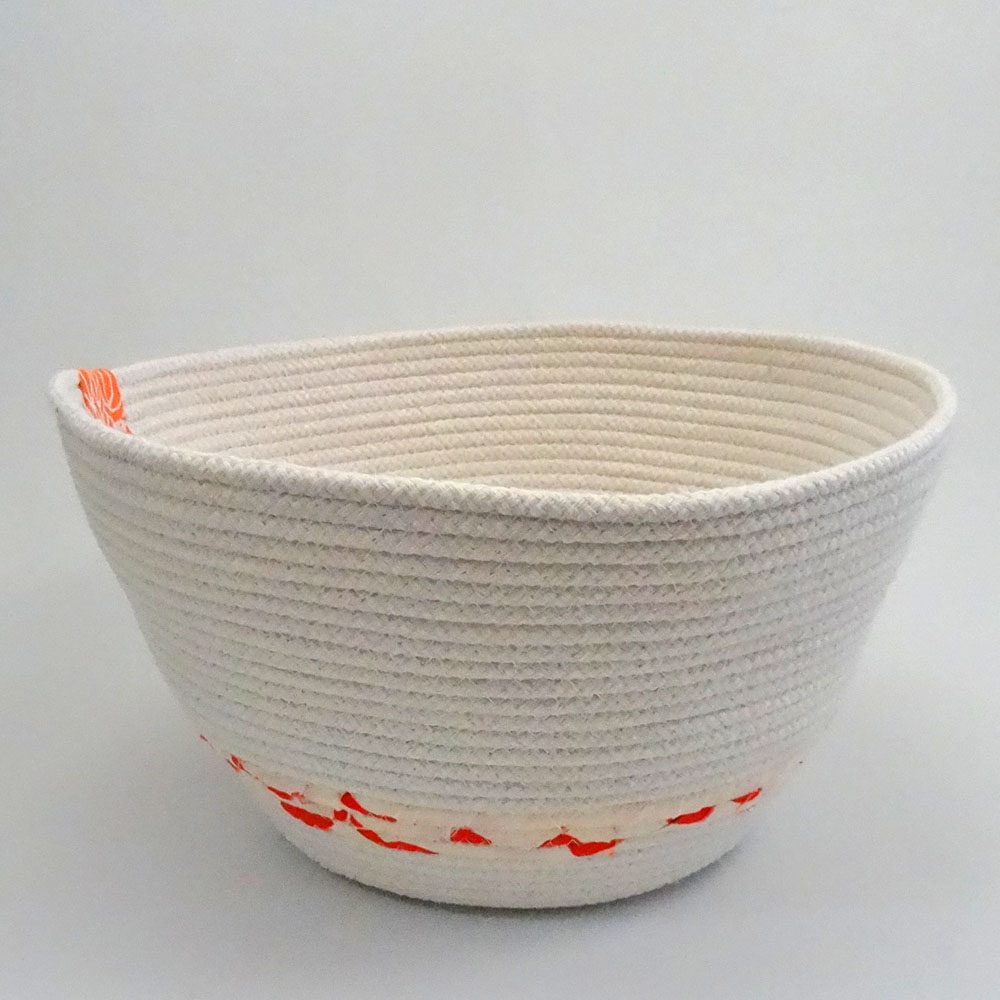
I have given in and gone after the trend, copied the masses and followed the crowd. Yes…. I too made rope bowls this past Christmas! It seemed everywhere I turned on Instagram last month there was photo after photo of rope bowls being made. Gifts for teachers, parents and friends – and, in my case – my sister.
I am pretty sure I saw this idea a few years ago somewhere. But the tutorial I used to start me off was only written in September of last year. Flossie Teacakes has a great tutorial post with some good tips on how to make them work. Since my sister crochets, I found a pretty blue skein at my local quilting/yarn shop to add to the mix. Hopefully it’s a nice one. That’s what the employee told me anyhow!
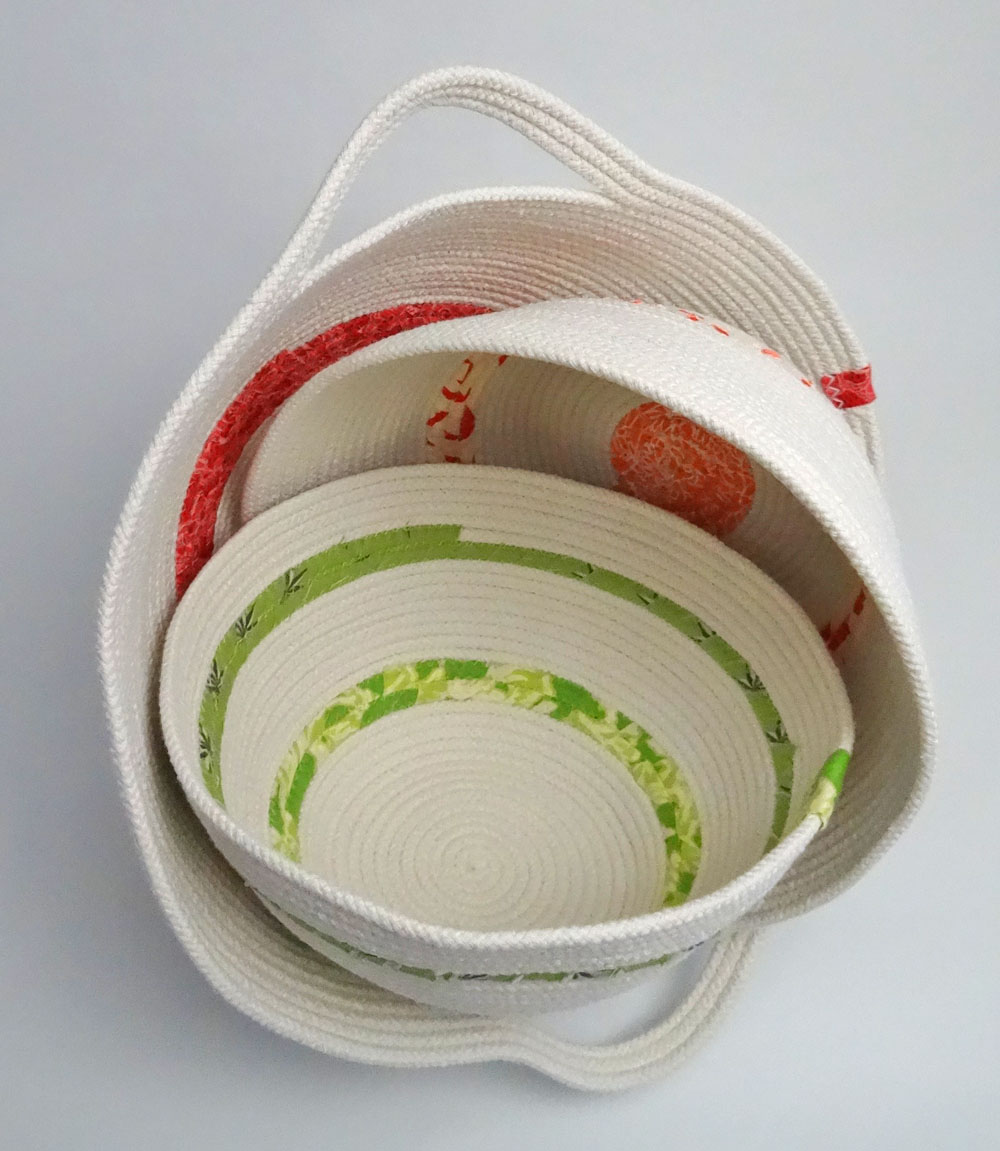
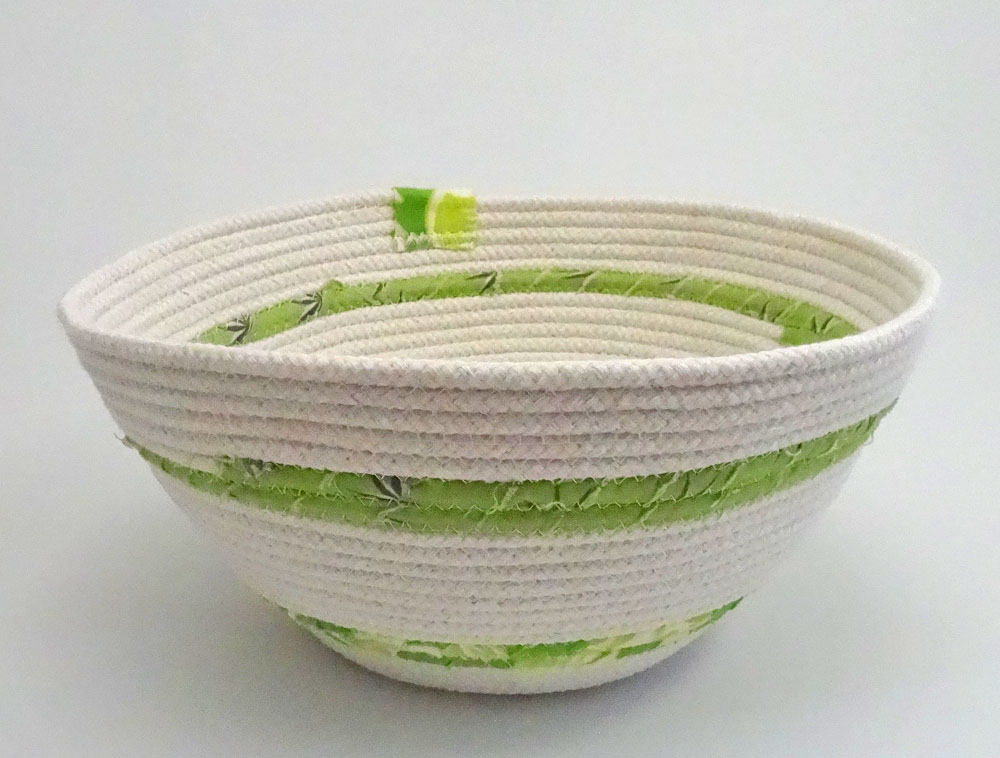
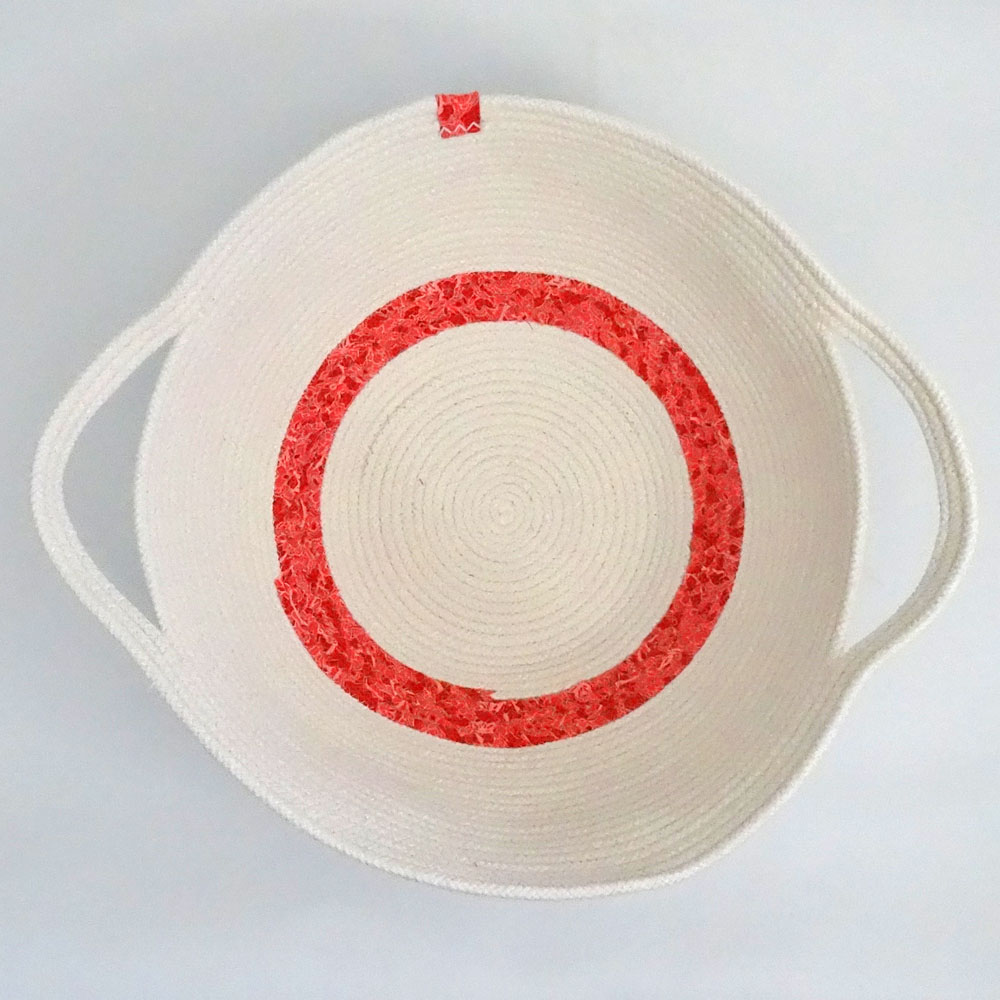
I decided to wrap fabric around some of the coils, added handles to one basket – and in general tried to make three different “nesting” bowls without making them all the same. The fabric was a great scrap buster and I would have used up a lot more scraps had I not gotten tired of wrapping fabric. It’s a bit fiddly to make it lie straight along the rope – or maybe I’m just not patient enough!
A good tip for wrapping the rope? I used a 1″ strip, unfinished, and glued it to the rope with my glue stick. It worked wonderfully and I didn’t have to hold it in place, which was nice. I also have some photos of how I finished the ends with a fabric tab and wrapped the rope with fabric successfully, so if you want a mini tutorial on that just ask and I’ll post them.
As you can see from the myriad of photos, I really like how these turned out. These baskets sew up quick. They are pretty cost effective and really addictive to make.And they are uber-fun to photograph, looking lovely on my favorite white background!
Have you made any rope baskets yet? What was your favorite part?
by Sherri Sylvester | Jan 11, 2016
Wow! It’s been a quiet few weeks around here! I’ve been grateful for the pause, when the girls are home from school it’s always busier. We are also in the middle of organizing and de-cluttering our home and doing a mini-renovation in the basement.
We are moving from the tiny upstairs 10×10 office/sewing area my husband and I share into a space almost twice as big by re-purposing the basement space we rarely use. But first, we need to move a closet, build a wall, add a door, move another door and paint – all while running our own businesses and being a family. So we should be finished sometime mid-summer?! Ha!
Today I get to start talking about the Christmas gifts I couldn’t share before the holidays. This year I had less time than usual and thankfully Pinterest came through with some quick and easy gifts – less involved than last year’s Cargo Duffles for sure! And I pinned some great gift ideas that I can use another time – Bonus!
Did you make any Christmas gifts this past year?
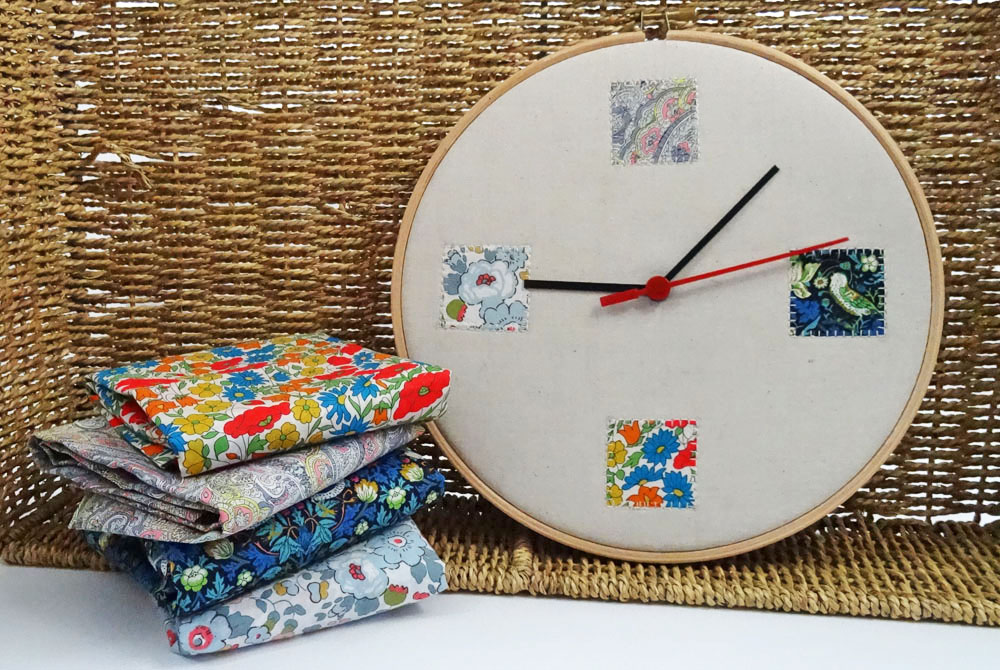
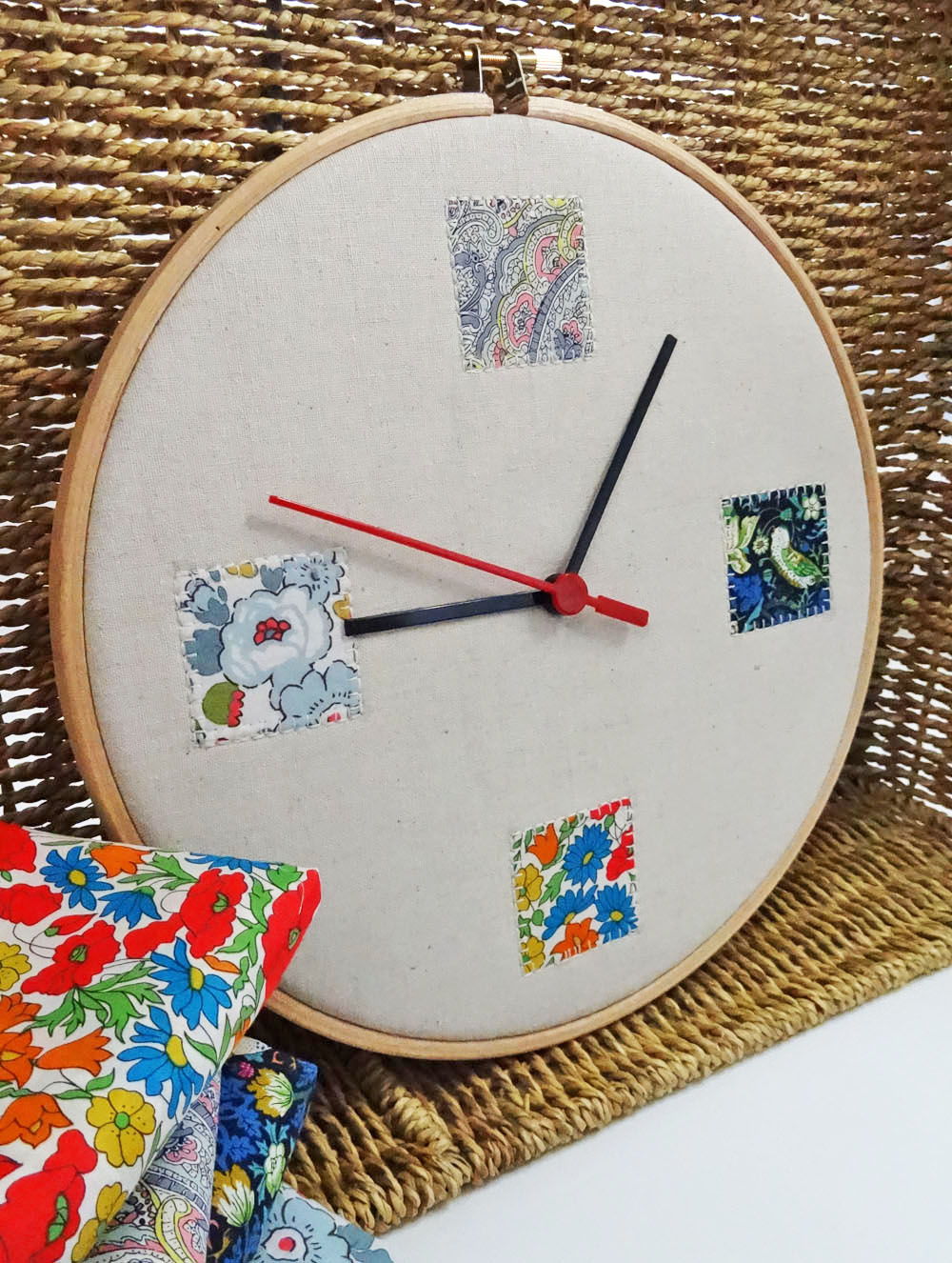
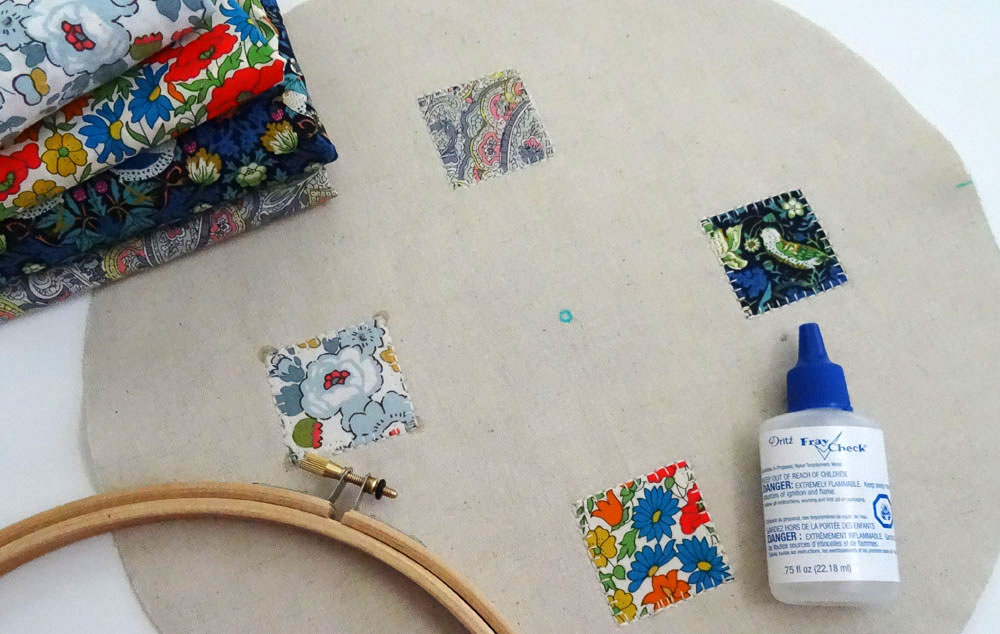
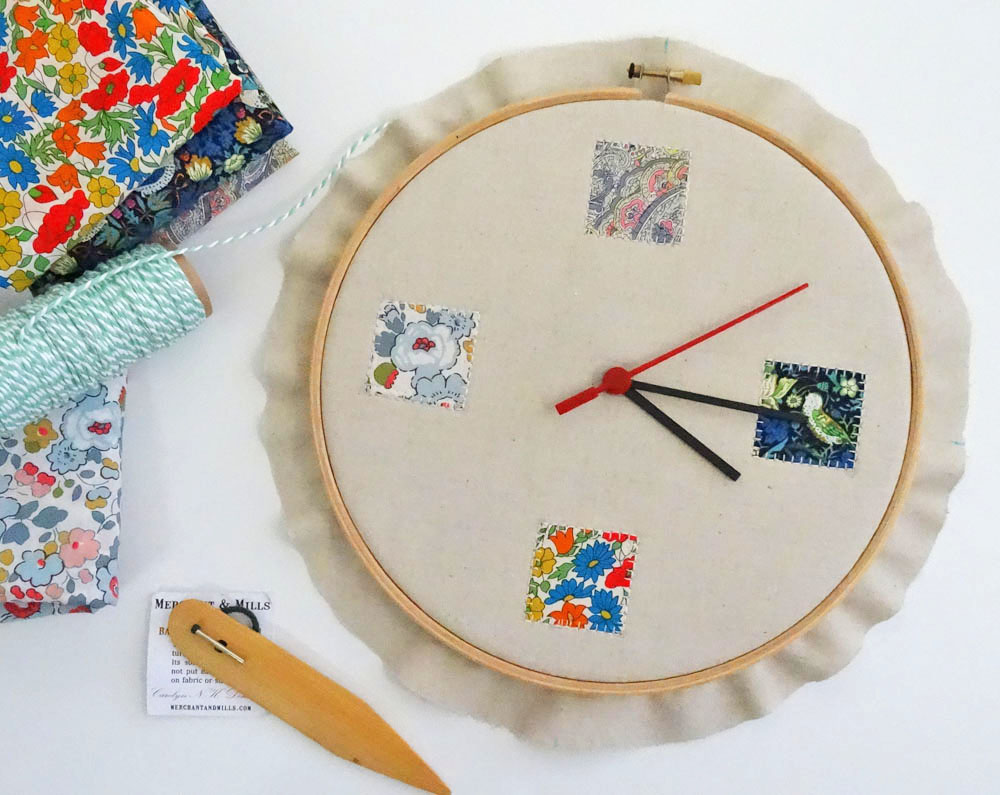
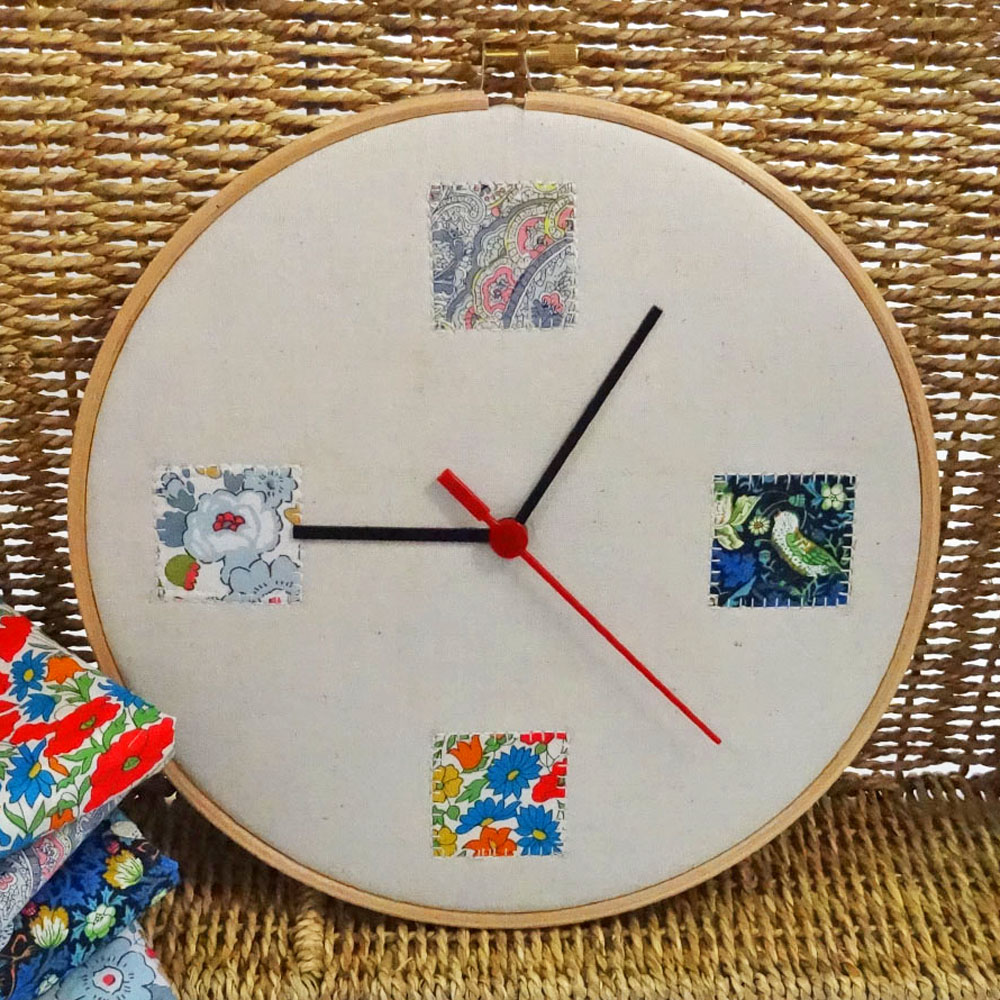
First up, my mom’s Liberty Clock. This idea came from Vicky Myers Creations and her super-cute DIY Embroidery Hoop Clock tutorial. Our clocks ended up looking very different, but the basic idea is the same. Here are a few things I did differently from Vicky’s tutorial.
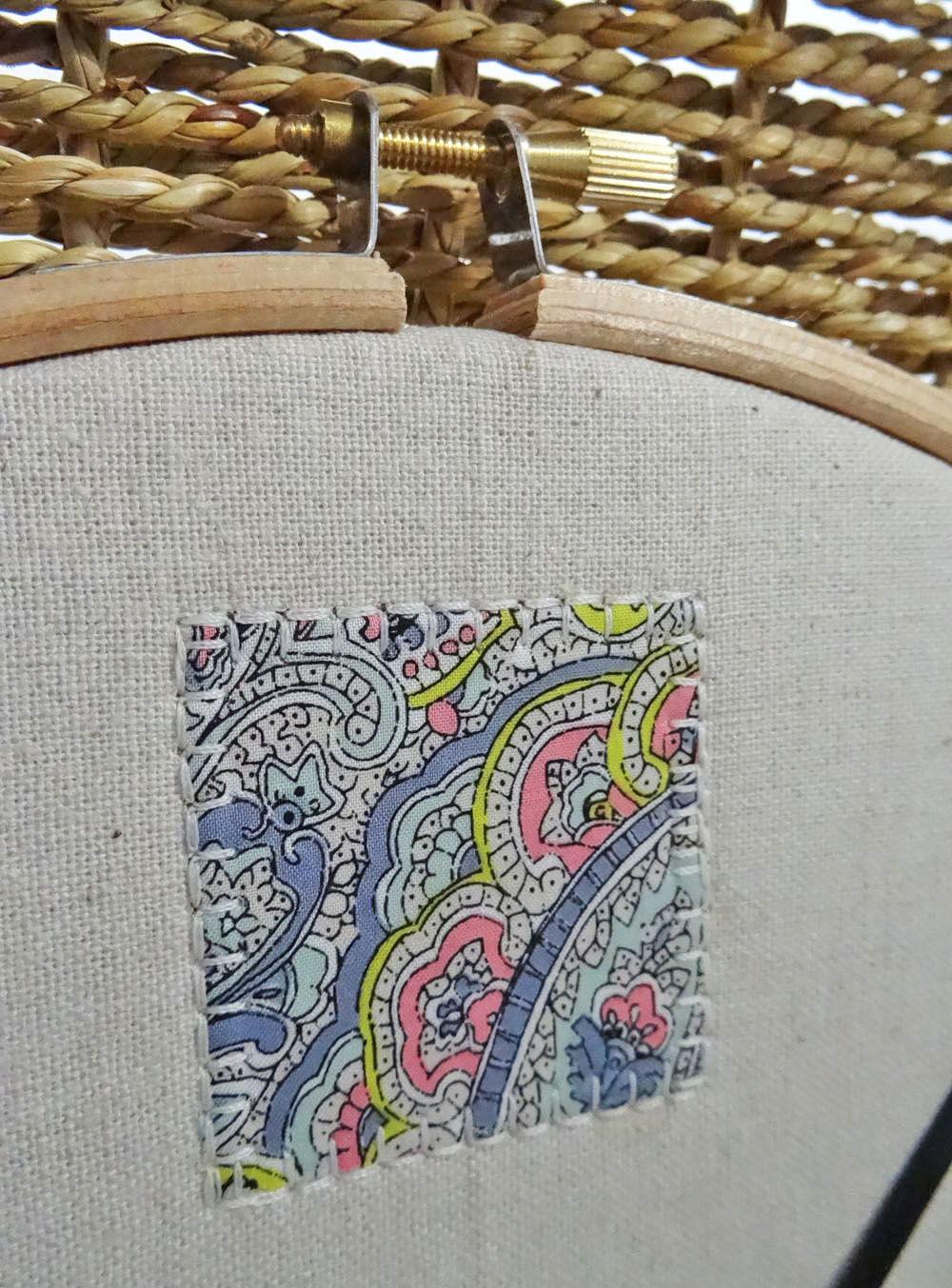
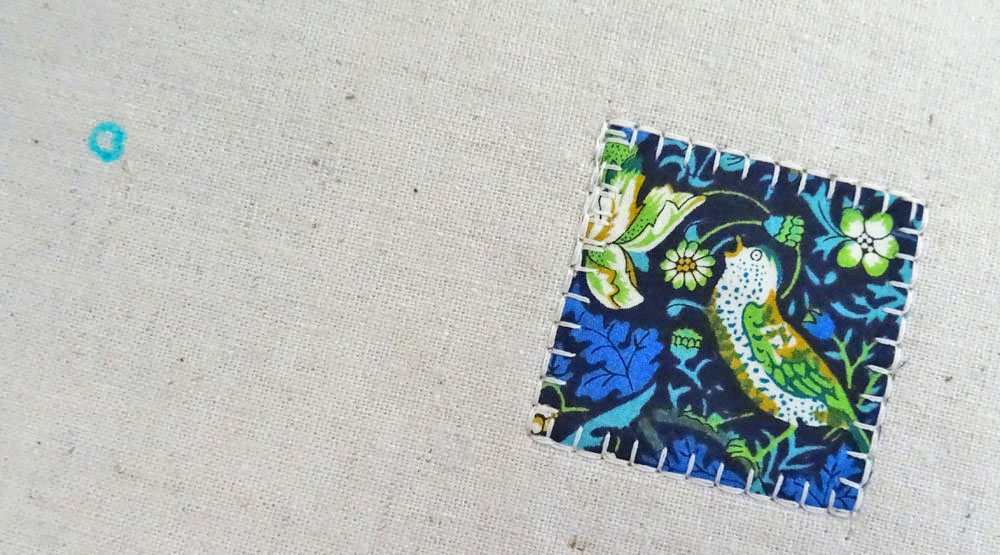
- 1 1/2″ squares of Liberty fabric to mark the clock quarters instead of buttons. The edges are finished using an applique stitch on my Skyline S5. Clearly I need to try to end the stitches in the same place next time instead of overlapping them!
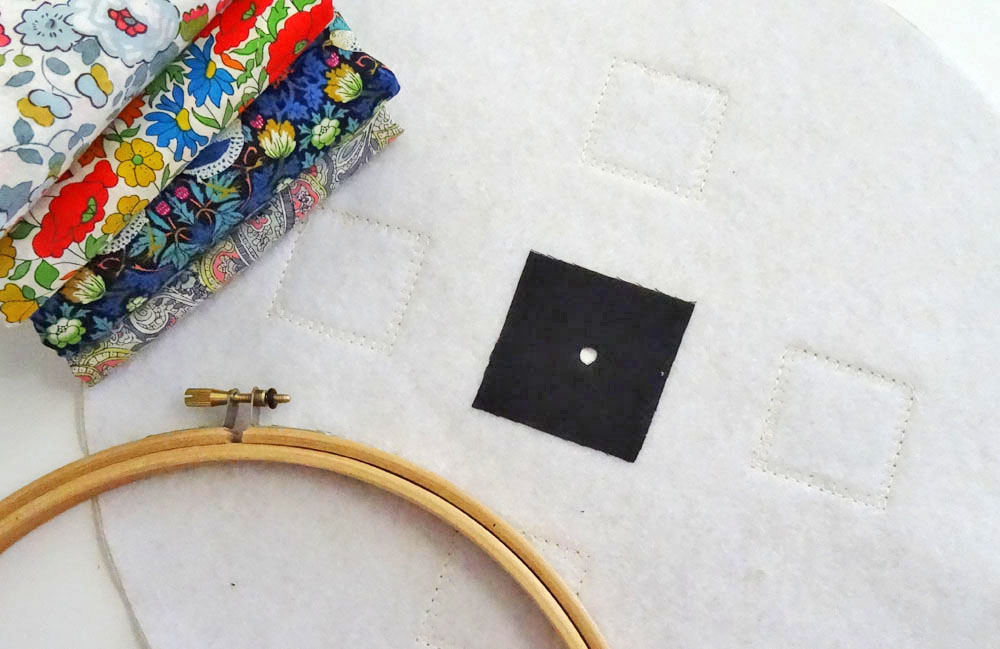
- Fusible Fleece instead of thick interfacing. I wanted a more “quilted look”, which would have worked out better had I actually quilted the main fabric!
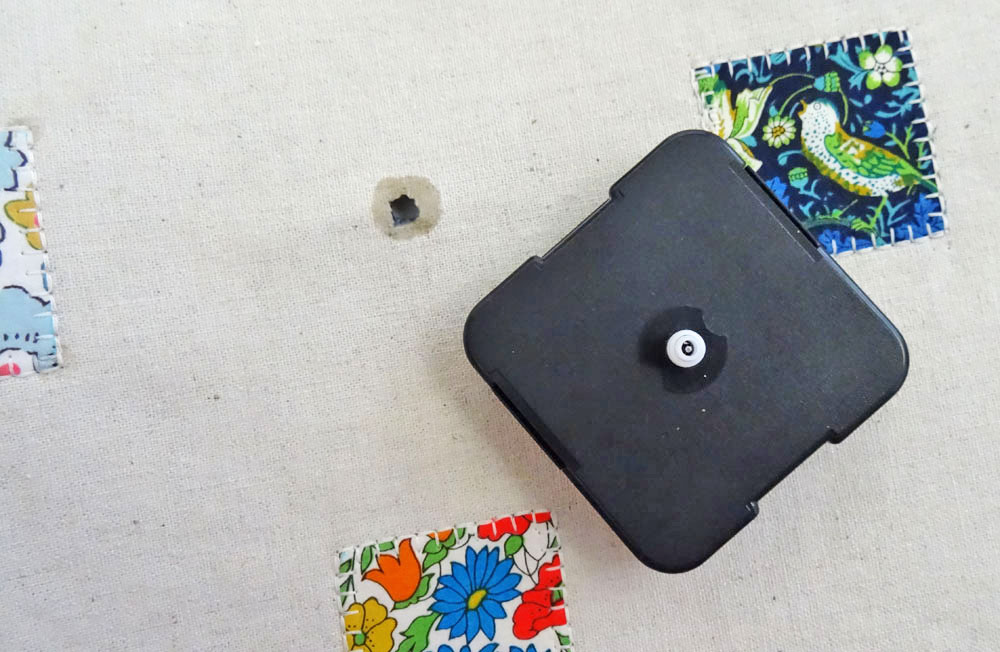
- Liberal use of Fray Check! I used it on the centre hole for the clock mechanics and the thread ends of the applique
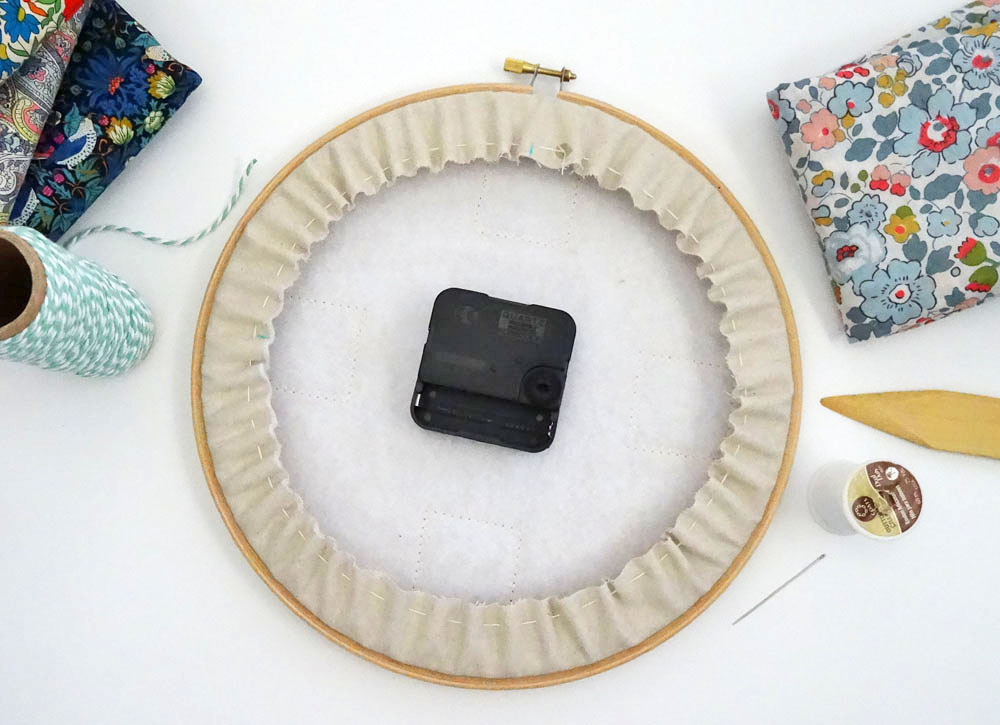
- Extra interfacing around the centre hole. Just to make sure it didn’t fray and the clock mechanics would have plenty of support so the fabric doesn’t droop. (I hope?!)
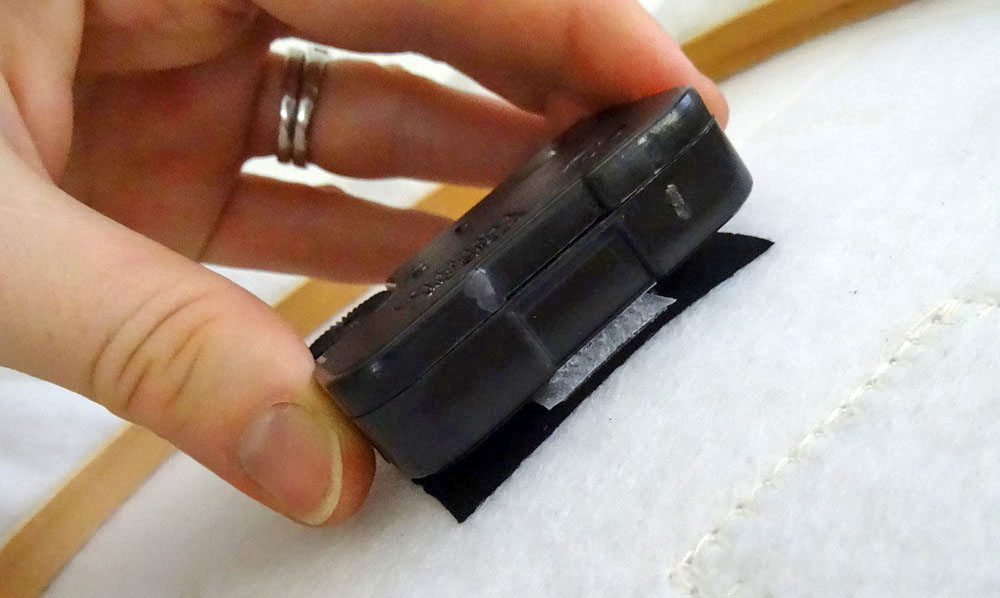
- Sticky non-sew Velcro to hold the clock mechanics upright.
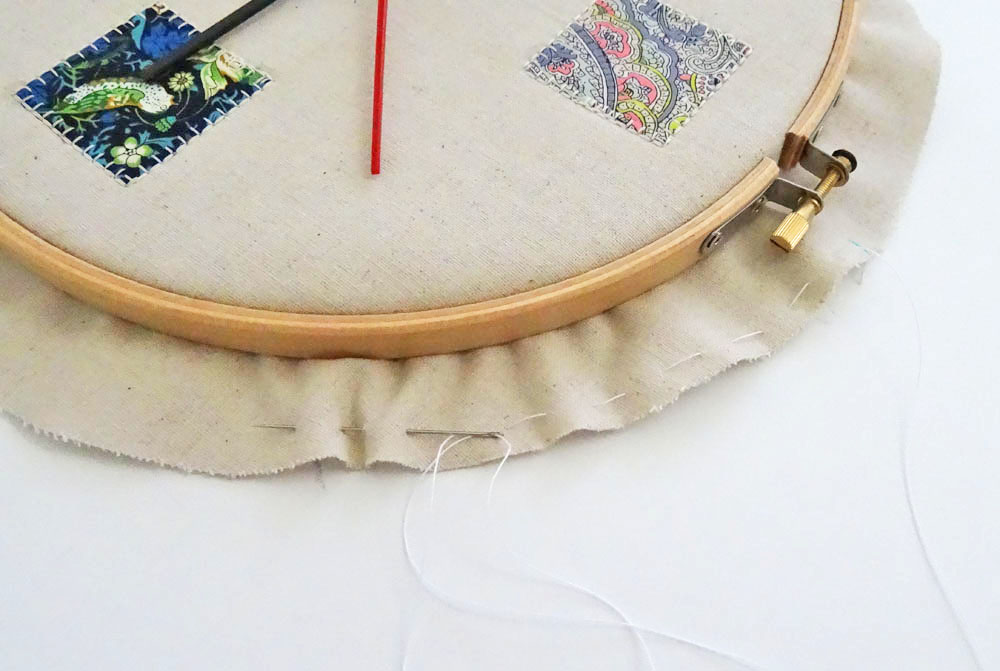
- All excess fabric behind the hoop. To do this I ran a basting stitch with button thread around the outside of the circle and knotted it to pull in the fabric. (And added more Fray Check!)
I was so excited to get to use my Liberty fabric for this project.
Dorienne gifted me two Liberty fabrics that she bought in the Liberty of London store – in actual London! Eeeek! (
I am so grateful, and still hoarding them!) I also love how the Liberty looks with the Essex Linen in Natural that I bought from my sponsor
Mad about Patchwork.
This project is a great way to show off your precious fabrics without cutting a large chunk out of them! I think I might need one in my soon-to-be-finished sewing space. I’m sure there is another old clock somewhere in the things we need to de-clutter!